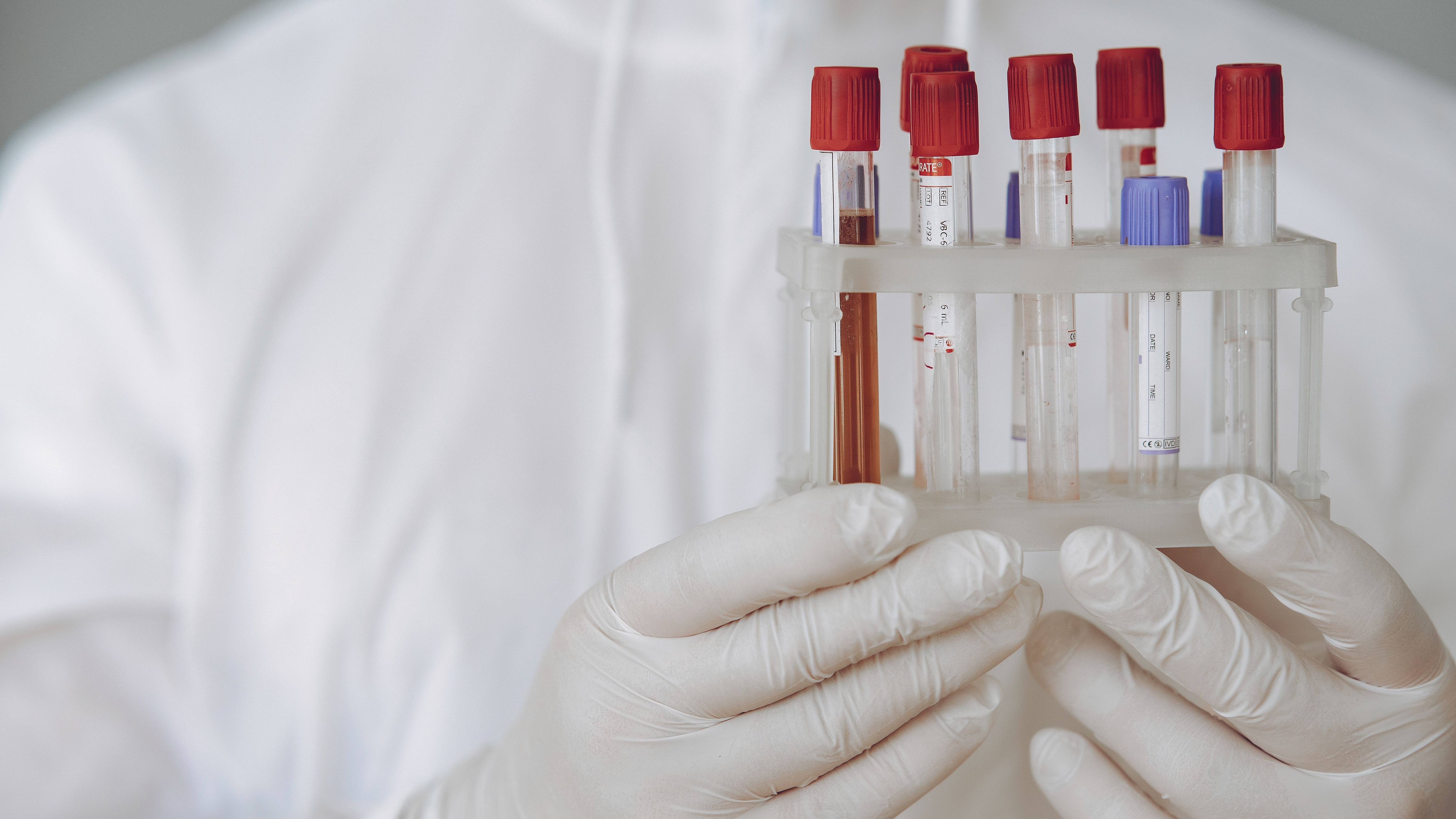
DBV Technologies, which specializes in developing treatments for food allergies, has secured financing of up to $306.9 million to advance the development and possible US launch, if approved, of its lead candidate, peanut allergy treatment Viaskin Peanut.
The news comes on the heels of the company announcing that it has secured an agreement with the US Food and Drug Administration (FDA) to accelerate the regulatory filling of its Viaskin Peanut patch more narrowed age group of 4-7 years, now expected in the first half (H1) of 2026.
Following the funding news, DBV’s stock shot by 54.7% at market open today (28 March), compared to the market close yesterday.
Tumultuous Development of Viaskin Peanut
In April 2023, the US FDA stated that although DBV’s peanut allergy patch successfully met the primary endpoints in the Phase III EPITOPE trial (NCT03211247) in toddlers (aged one to three years), an additional safety study is required for approval.
In 2017, the allergy path failed to meet its primary endpoint in the Phase III PEPITES clinical trial (NCT02636699) in children aged 4-11 years. The company’s second attempt at Phase III VITESSE trial (NCT05741476) in a more narrowed age group of 4-7 years suffered a setback when the FDA placed a partial clinical hold on the study in September 2022. The hold has since been lifted and the company expects to share topline data from the study in the fourth quarter (Q4) of 2025.
Following the back and forth with the FDA, DBV plans to pursue Viaskin Peanut’s approval in toddlers in the US and children aged one to seven years in Europe. In October 2023, the company noted that as part of the accelerated approval pathway, the FDA requires additional safety data.
DBV was able to convince the FDA that an additional safety study, was not required. Earlier this month, DBV noted that the US FDA agreed that the safety exposure data from the VITESSE Phase III study, along with the data from an open-label extension, for Viaskin peanut patch in 4-7-year-olds would be sufficient to support a Biologics License Application (BLA) filing in this age group.
Financing Details
The total financing of $306.9 million includes “gross proceeds of $125.5 million to be received upon closing and an aggregate of up to $181.4 million in gross proceeds if all the warrants are exercised”. While DBV did not disclose all the conditions, it did note that “the VITESSE Phase III study hitting its primary endpoint will trigger an acceleration of the exercise period of some of the warrants”.
The company plans to use the fund to working capital and general corporate purposes, and to finance the continued development of the Viaskin Peanut program, including the preparation and submission of a potential BLA, and to finance the readiness of a launch of Viaskin peanut in the US, if approved.
DBV also noted that “financing will result in an immediate dilution of 22.4% and a maximal dilution of up to 73.7% of existing shareholders (on a non-diluted basis) if all the warrants in the offering are exercised in full”.
The French biotech has suffered some financial setbacks after it announced in its 2024 earning report that it only had cash reserves to sufficiently fund its operations into April 2025. The company reported cash reserves of $32.5 million as of 31 December 2024.
DBV noted that the net proceeds from the financing will allow the company to fund its operations until June 2026. Adding that, if DBV secures the total $306.9 million, it could “its financial visibility into 2028 and through potential commercialization of Viaskin Peanut in the U.S, if approved”.