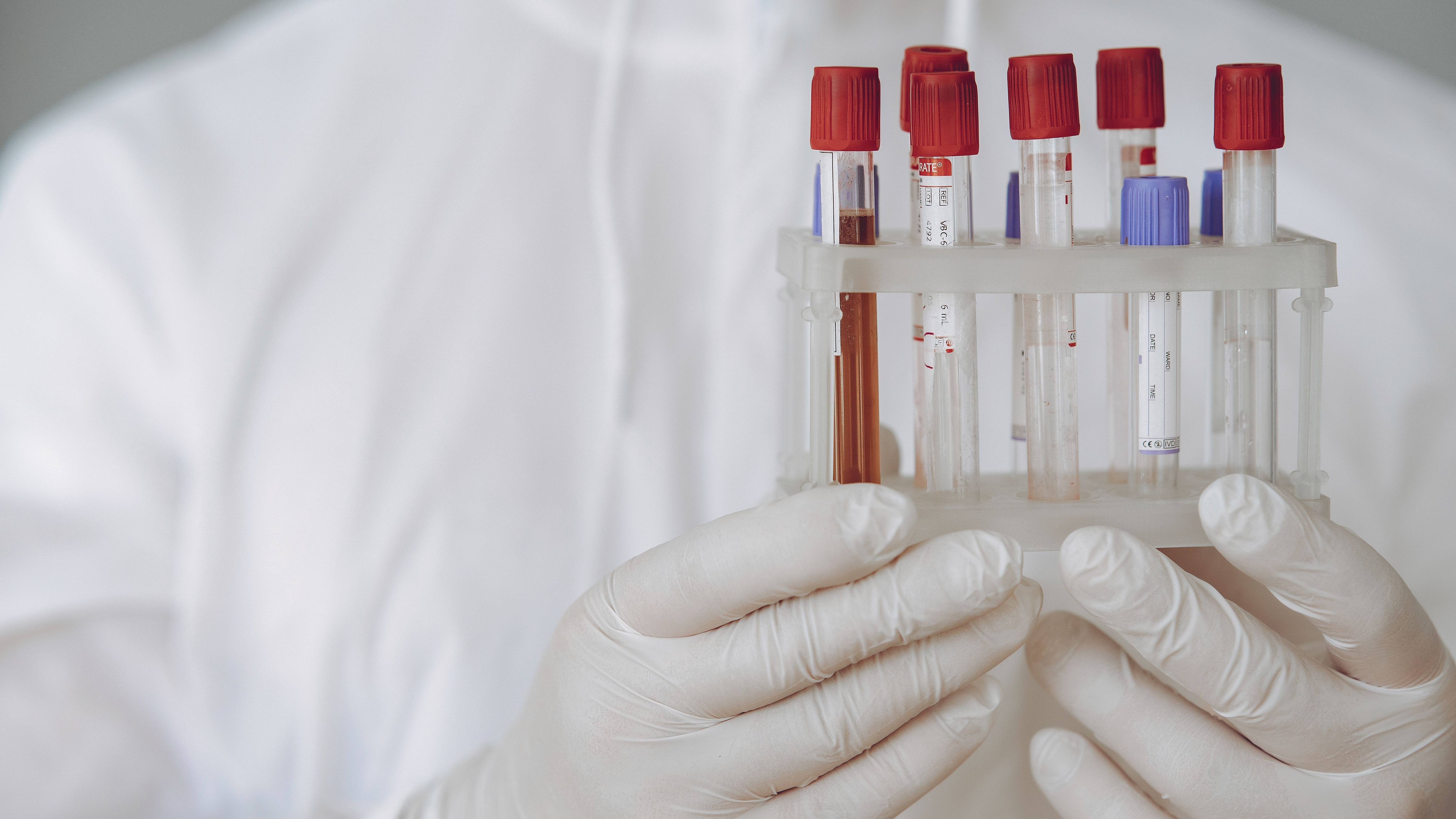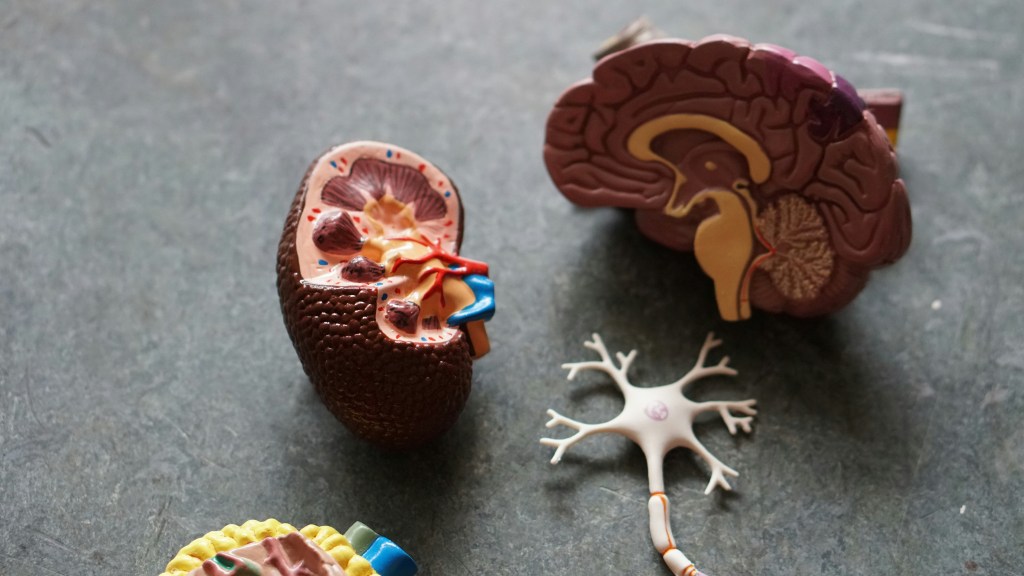
For decades, the path from laboratory discovery to approved therapy has followed a well-worn trajectory: petri dish to mouse to monkey to human. Yet despite advances in molecular biology, genetic engineering, and our understanding of disease, the attrition rates in clinical development remain stubbornly high.
This translational chasm—the gap between promising preclinical data and disappointing clinical results—has become particularly acute as medicine moves toward rare diseases, cell and gene therapies, and highly targeted interventions. The mechanisms driving these sophisticated treatments are often not conserved across species, and the tidy, genetically identical mice used in laboratories bear little resemblance to patients with decades of medical history, comorbidities, and unique genetic backgrounds.
Enter Revalia Bio, a company built on a provocative premise: what if drug developers could test their candidates in living human tissue before ever exposing a single patient? Using normothermic machine perfusion technology—originally developed to preserve organs for transplantation—the company keeps donated human organs (only the non-transplantable organs) alive outside the body for days at a time, creating an unprecedented window into how drugs behave in actual human biology.
Drug and Device World talked to Dr. Jenna DiRito, Co-Founder and Chief Operating Officer of Revalia Bio, on why human organs may represent the “missing chapter” in our understanding of disease, how this approach is already changing conversations with investors and regulators, and why failing faster—in systems where no lives are at risk—might be the key to ultimately succeeding when it matters most.
The Fundamental Flaw in Preclinical Models
The pharmaceutical industry faces a significant technical bottleneck. Current estimates suggest that only about 10% of research and development programs result in an approved medicine. This high failure rate is largely attributed to pre-clinical models that poorly predict human responses. According to a recent strategic review published by the Association of the British Pharmaceutical Industry (ABPI) and the National Centre for the Replacement, Refinement and Reduction of Animals in Research (NC3Rs), a lack of sufficiently predictive methods for identifying treatments at the pre-clinical stage is seen as the main technical bottleneck in drug discovery.
DiRito puts it plainly: ” One of the fundamental challenges with animal models—particularly in the context of increasingly complex diseases—is that the underlying biological mechanisms are not always conserved between species. So findings in animals do not consistently translate to human systems.” As she explains, the sophistication of modern medicine has outpaced the utility of traditional models. “Modern science and medicine have reached an extraordinary level of sophistication. When we are interrogating specific receptors or dissecting precise molecular interactions, even subtle interspecies differences become critically important. As our tools and questions become more refined, it becomes increasingly clear that molecular pathways in a mouse are not always equivalent to those in a human”
This challenge is particularly pronounced when examining the immune system. Researchers are no longer simply investigating well-conserved mechanisms like insulin receptors for diabetes treatment. “We are going into very, very specific rare disease phenotypes that are only showing up in living human patients,” DiRito notes. “And it is difficult, if not impossible, to recreate those in animal models. Even if you can recreate them, do you really capture it all? Do you capture the entire history of human disease?”
The complexity of real-world patients adds another layer of difficulty that animal models cannot replicate. “Patients are complex. When an individual presents with one disease, it is often accompanied by multiple comorbid conditions that interact in dynamic and unpredictable ways,” DiRito observes. ” Particularly in the United States, patient populations carry a significant burden of chronic and comorbid disease. These overlapping pathologies influence disease progression, treatment response, and overall outcomes in ways that are exceedingly difficult to faithfully reproduce in animal models..”
Perhaps most significantly, the genetic homogeneity of laboratory animals stands in stark contrast to the diversity of human populations. “Animals used in research have high genetic unifomity” DiRito explains. “In contrast, when you look at patients, we have vastly different molecular and genetic backgrounds. So, it’s a real mistake to think that if you can treat genetically identical mice, then you can treat genetically diverse humans.”
This limitation has profound implications for drug development. As a review on Alzheimer’s disease drug development recently noted, numerous therapeutic candidates have shown promise in preclinical studies but failed to produce substantial clinical benefits, with most failures occurring in late-stage trials due to limited therapeutic efficacy or unforeseen adverse effects.
The Translational Readiness Gap
The disconnect between promising preclinical data and clinical failures is not a reflection of scientific incompetence but rather a systemic infrastructure problem. DiRito emphasizes this distinction: “I do not think it is that we have done anything wrong. It’s not the scientists—they are doing what they were prescribed to do for decades, which is to start in cells, go to small animal models, go to large animal models, and make that translation to patients. And that is how it has been done for decades. That is what the FDA approves. It is the tried-and-true method for drug development.”
The issue, she argues, is that the established system may not be optimal for translation. “Even though that is the system today—or previously has been the system—it does not mean that it is the best for translation. We believe there is a fundamental infrastructure gap in the preclinical phase—specifically in the studies conducted before advancing to human patients. Addressing that gap is essential to improving translation.”
DiRito envisions a solution: ” If we invest more deeply in human-based systems—platforms that allow us to study disease in a way that is inherently human-relevant and mechanistically conserved, we can generate more meaningful data for pharmacokinetics, toxicity, biodistribution, and efficacy. Where animal models fall short, these systems can provide clarity. Ultimately, this would enable us to ‘fail faster’ in the most constructive sense, identifying limitations earlier and advancing only the most promising therapies to patients.
This concept of “failing faster” is crucial. “We don’t want to have those failures in living patients,” DiRito emphasizes. “But if we have them in human model systems like whole organs, organoids, or organ-on-a-chip based solutions, that is much safer.”
Ex Vivo Organ Perfusion Technology
Ex vivo organ perfusion (EVOP) technology was originally developed for whole organ preservation, with the primary goal of improving outcomes for donor organs intended for transplantation. However, researchers have recently found applications for these systems in disease modeling, drug development, and tissue regeneration.
DiRito’s background places her at the intersection of these applications. “I did my PhD training over in Cambridge in the UK with some of the pioneers of the normothermic machine perfusion technology and learned how to be an operator of those systems—to do everything from the surgery to prepare those organs for the pump system, to engineering the pump systems to keep those organs alive for multiple days, and then, I think most importantly, doing the downstream science on those organs to distill insights into human biology.”
The fundamental premise driving Revalia Bio is that donated human organs offer an unparalleled window into human disease. “We fundamentally believe at Revalia is that these organs capture human disease in a way that mouse models and animal models just do not, because it is straight from the source.”
The capabilities of these systems extend far beyond simple organ preservation. With the perfusion systems, Revalia keeps organs alive for several days at a time. This window allows for intensive study that would be impossible in living patients. “Because you are in an isolated system and because you can sample so often, the signal that you get from these organs is really profound. There is no other noise—no other noise from other organs, no other noise from the body. You are getting a pure signal from how that drug or that device is affecting that organ.”
This isolation enables researchers to ask questions that simply cannot be answered in clinical settings. As DiRito explains, “When you want to look at human biology, if you are with a patient, you will be lucky if you get a single biopsy at a single time point, because it is not ethical to collect continuous samples. But when you’re studying a living human organ outside of the body, you can collect as many samples as you want over time.”
The dynamic data collection capabilities are particularly valuable. “You can take continuous blood samples, continuous urine samples, tissue samples to an extent while you are still preserving the morphology of the organ. So, there are questions you can ask at a deeper molecular level that simply aren’t possible in any other pre-clinical model.”
Accelerating Timelines and Refining Data
One of the most significant advantages of ex vivo systems is the ability to compress timelines for obtaining meaningful results. Traditional clinical trials require months or even years to assess drug efficacy. In contrast, ex vivo systems can yield results in days.
DiRito illustrates this with an oncology example: “Let’s think of a cancer clinical trial, for example. You inject your drug, and you wait weeks or months to see if that tumor has reduced in size because you have to go for a single point of imaging. In the ex vivo systems, we can deliver a drug and within days start to see a signal coming up that this tumor is starting to die. You get results a lot faster because there’s far less noise in the system.”
This accelerated timeline does not come at the expense of depth. In fact, the systems enable a level of molecular detail that would be impossible to achieve in clinical trials. “In a mouse model, you might observe that the kidney fluoresces after drug delivery—it lights up, it appears successful, and you can confirm that the compound reached the organ,” DiRito explains. “But with advanced human-based, whole-organ systems, we can move beyond that surface-level confirmation. We’re able to interrogate the biology at true molecular depth—identifying precisely which cell types internalized the drug, quantifying the extent of cellular coverage, and understanding distribution patterns at a far more granular level.”
The ability to ask specific, targeted questions early in development is particularly valuable for making go/no-go decisions. “We cannot answer the questions of what is the long-term effects of a drug are two to three years out,” DiRito acknowledges. “But we can start to ask the fundamental questions that would prevent you from moving forward: where does the drug go? Are there preliminary signs of efficacy? What dose should I deliver at? Do I see any early signs of toxicity?”
Currently, Revalia’s systems can answer three fundamental questions across specific organ systems: toxicity, biodistribution, and preliminary efficacy. As DiRito summarizes, these correspond to: “Is my drug toxic? Where does my drug go? And are there preliminary signs that my drug is working?” This triad directly addresses the core concerns of preclinical drug development.
The Regulatory Landscape Shifts
The regulatory environment for non-animal testing methods has undergone a dramatic transformation in recent years. In December 2022, US President Biden signed the Modernization Act 2.0, designed to reduce animal experimentation in drug development. This was followed by the FDA Modernization Act 3.0, passed unanimously in December 2024, which mandated that the FDA update its regulations within six months to implement the 2022 legislation.
In April 2025, the FDA announced plans to gradually phase out traditional animal testing, instead adopting laboratory-cultured organoids and organ-on-a-chip systems for drug safety assessment. The agency subsequently published “Alternatives to Animal Testing: Reducing and Replacing Animal Experiments” in October 2025, strongly promoting the transition to a “non-animal” phase in drug development.
DiRito confirms that these regulatory shifts are reflected in her conversations with regulators. “We have been in close talks with regulators, getting their opinions on how they’re accepting this technology, and it has been very positive.” She notes that some partners are already starting to think about incorporating this data into their IND and IDE applications. “There have been direct calls from the FDA, the NIH, and other regulatory bodies around the world saying that they are not accepting pure animal data anymore. They’ve seen how it leads to failure, and they need more human data.”
DiRito underscores that the primary barrier is not regulatory resistance, but structural readiness. “The real constraint is infrastructure—it simply does not yet exist at the scale required. But there is strong interest from across the ecosystem. From what we’ve seen, regulators are open to new types of data, as long as it is presented in a way that is easy to interpret.”
Investor Perspectives and De-Risking Assets
The shift toward human-relevant models is also reshaping investment strategies. For venture capitalists and pharmaceutical companies evaluating early-stage assets, the ability to demonstrate human data represents a significant de-risking opportunity.
DiRito has observed this trend directly. “We are seeing this trend very clearly at Revalia. There is growing demand for human-relevant data, driven in large part by pharmaceutical partners evaluating acquisition opportunities and investors assessing where to allocate capital. Both groups are increasingly focused on de-risking assets as early as possible. And there is no more compelling way to do that than by generating robust data in human-based models.”
For investors, even limited human data can provide crucial validation. “They want to see some human data,” DiRito explains. “It can be a single trial that we run that shows, ‘Yes, there is some proof that in a human, in a living human system, my drug works. My drug has promise.’ Because without that, the leap is too big.”
This early validation can dramatically accelerate timelines. “Typically, developers have to wait years to get data from living patients in the clinic. But if they can show that early on, even in one or two studies, they’ve really accelerated their timelines and de-risked their assets.”
At Revalia, the approach to data generation is holistic. “We think of data from these systems as a complete human data stack,” DiRito explains. It’s not limited to physiologic readouts from the organ-on-pump systems, such as pressures and flow dynamics. We take a fully integrated approach. That means incorporating data from the donor patients themselves—their medical histories and clinical context—and aligning it with insights from the living organ system. We also integrate biopsy data and complementary platforms, including organoids and organ-on-a-chip models derived directly from cells of that same organ. Together, these layers of information create a far more comprehensive and human-relevant dataset.”
This integrated approach provides multiple vantage points on the same biological question. “When we bring these data streams together and apply them to well-defined, hypothesis-driven questions, we create a far more complete picture,” DiRito explains. “For early-stage biotechs and investors, that translates into greater confidence in the assets under development. They’re no longer relying on a single data point from a single vantage point; instead, they have an integrated, multidimensional body of evidence supporting the program.”
Building Human Data Sets
As the technology continues to develop, the focus is shifting from individual experiments to the accumulation of comprehensive data sets that can transform understanding of human disease. DiRito envisions a future where physical experiments and in silico modeling work in tandem.
“As these technologies continue to evolve, we will move beyond generating data from individual organ systems in isolation,” DiRito explains. “With sufficient scale and integration, we can begin to aggregate datasets robust enough to model complex questions of human disease in silico.”
For DiRito, however, the mission extends beyond technological advancement. It is grounded in stewardship and responsibility.
“At its core, this work is about honoring the extraordinary gift of organ donation. Over the past decade, we have built systems designed to honor donors and their families by ensuring we ask meaningful scientific questions—questions that can generate substantial impact, both scientifically and clinically, through the study of organs in these advanced platforms.”
As regulatory support solidifies, technology advances, and data accumulates, the vision of a drug development pipeline built on human-relevant models moves closer to reality. The result, DiRito believes, will be not only fewer failures in clinical trials but also faster progress toward treatments that actually work in the diverse population of patients who need them.