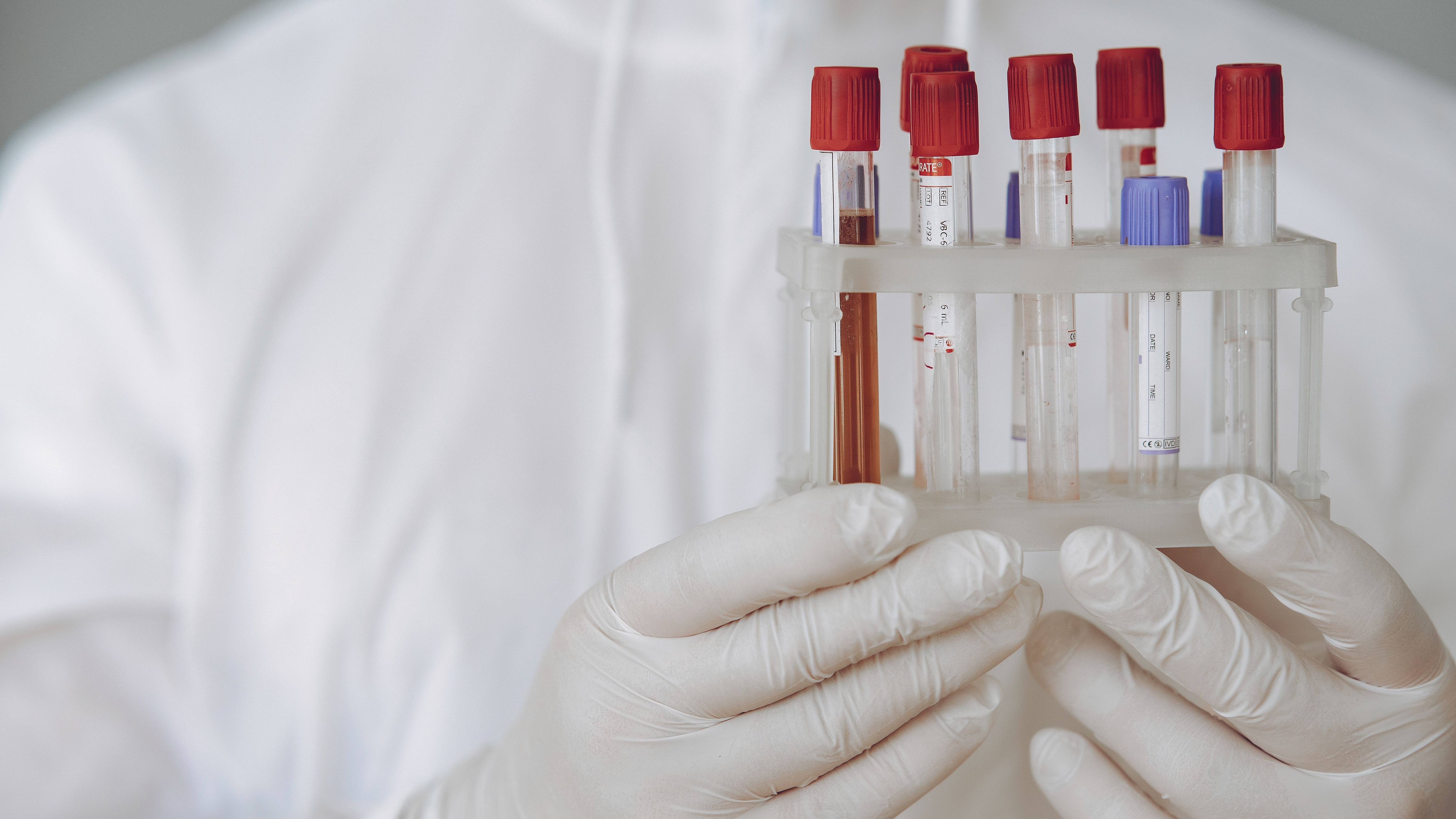
The digestive disease research community has convened for Digestive Disease Week (DDW), taking place from place May 2–5, and this year’s featured studies reveal a field increasingly focused on interventions that target root biological mechanisms rather than merely managing symptoms. From an endoscopic procedure designed to “reset” the metabolic signaling of the small intestine to explorations of how meal timing amplifies the effects of stress on the gut microbiome, the research highlights a shift toward more durable, mechanistic solutions for some of gastroenterology’s most pressing challenges.
Four studies in particular — spanning obesity medicine, chrononutrition, cancer epidemiology, and the microbiome’s role in aging — showcase how researchers are connecting disparate biological systems to develop novel therapeutic strategies. These investigations arrive at a moment when GLP-1 receptor agonists have transformed obesity treatment yet left clinicians grappling with long-term adherence challenges, and when early-onset colorectal cancer continues its alarming rise among younger adults.
The GLP-1 Exit Strategy: Can Resurfacing the Duodenum Prevent Weight Regain?
Few clinical challenges have emerged as urgently as the question of what happens when patients stop taking glucagon-like peptide-1 (GLP-1) receptor agonists. These medications, which include Wegovy (semaglutide) and Zepbound (tirzepatide), produce substantial weight loss — but discontinuation rates reach up to 70% within the first year, driven by cost, side effects, or patient preference. When the drugs are stopped, weight returns rapidly. The SURMOUNT-4 trial documented approximately 6% weight regain at three months following tirzepatide withdrawal, while the STEP-1 trial found roughly 10% regain at six months after semaglutide discontinuation.
The REMAIN-1 trial, whose midpoint cohort results will be presented at DDW 2026, offers the first randomized, sham-controlled evidence for an intervention that may solve this problem: duodenal mucosal resurfacing (DMR).
DMR is an investigational endoscopic procedure that uses hydrothermal ablation to remove the mucosal lining of the duodenum — the segment of small intestine immediately downstream from the stomach. The rationale stems from mounting evidence that the duodenum plays a central role in metabolic signaling. High-fat, high-sugar diets can cause thickening and dysfunction of the duodenal mucosa over time, altering how the gut senses nutrients and produces hormones involved in insulin sensitivity and appetite regulation. By ablating this dysfunctional tissue and allowing healthy mucosa to regenerate, DMR aims to achieve what researchers describe as a “metabolic reset.”
“The duodenum is where the hormones that GLP-1 drugs mimic are naturally produced,” explained Shelby Sullivan, MD, director of the Endoscopic Bariatric and Metabolic Program at Dartmouth Health Weight Center and lead author of the study. “Over time, poor diet can rewire how this tissue responds to food. By rejuvenating it, we’re trying to reset the body’s metabolic set point to match the new, lower weight achieved with medication.”
Midpoint Cohort Results: Evidence of a Durable Effect
The REMAIN-1 trial enrolled adults aged 21–70 with obesity (BMI 30–45 kg/m²) who were naïve to GLP-1 therapy. Participants completed a tirzepatide run-in period; those who achieved at least 15% total body weight loss discontinued the drug and, at least one week later, were randomized 2:1 to receive either DMR or a sham procedure. All participants received structured lifestyle counseling throughout.
The midpoint cohort included 46 participants who met the weight loss threshold. One was excluded due to duodenitis, leaving 29 in the DMR arm and 16 in the sham arm, with 45 completing three-month follow-up. Baseline characteristics were well balanced: mean age 43 years, 80% female, 42% with prediabetes. Pre-tirzepatide weight averaged 99 kg; participants reached approximately 82 kg after the medication run-in, representing 18% total body weight loss.
The three-month outcomes were striking. The DMR group experienced an additional 2.1 kg weight loss, while the sham group regained 8.2 kg — a treatment difference of 10.3 kg (p=0.014). Expressed as percentage change, DMR-treated participants lost an additional 2.5% of body weight, while the sham group regained 10.0%, yielding a treatment difference of 12.5 percentage points (95% CI -18.4 to -2.1%).
By six months, the divergence appeared to widen further. According to the press release, those who had more extensive mucosal resurfacing maintained over 80% of their initial weight loss, regaining just 7 pounds, while the sham group regained roughly twice that amount. No device- or procedure-related serious adverse events occurred.
“What’s particularly encouraging is that the benefit appears to increase over time rather than fade, and that it behaves like a drug in terms of dose response,” Dr. Sullivan said. “That gives us confidence that we’re targeting the right biology.”
Implications for Obesity Treatment Paradigms
The findings, if confirmed in the fully enrolled pivotal cohort (topline data expected in the fourth quarter of 2026), could reshape obesity treatment algorithms. A procedure-based “exit strategy” might make GLP-1 therapy more palatable to patients who are hesitant about lifelong medication, potentially improving uptake while offering a pathway to durable, drug-free weight maintenance.
The concept aligns with broader shifts in metabolic disease management toward interventions that modify disease physiology rather than simply suppressing symptoms. Bariatric surgery, long the most durable obesity treatment, achieves its effects partly through alterations in gut hormone signaling — a mechanism DMR may partially recapitulate through less invasive means.
Fractyl Health, the trial sponsor, has fully enrolled the more than 300-participant pivotal REMAIN-1 program and plans a marketing submission later in 2026, pending results.
When Stress Meets Late-Night Eating: The Chrononutrition-Stress Axis
While the DMR study addresses weight maintenance through procedural intervention, another DDW 2026 featured study examines how daily behavioral patterns — specifically, the intersection of chronic stress and meal timing — affect gut function and the microbiome.
The concept of chrononutrition — the study of how meal timing interacts with circadian biology — has gained traction as research reveals that the gut, like the brain, operates on a 24-hour clock. Digestive processes, including gastric emptying, enzyme production, and gut motility, follow circadian rhythms. Eating at times misaligned with these rhythms may disrupt normal function.
A Two-Cohort Investigation
Harika Dadigiri, MD, a resident physician at New York Medical College at Saint Mary’s and Saint Clare’s Hospital, and colleagues conducted a parallel two-cohort analysis drawing on both the National Health and Nutrition Examination Survey (NHANES, 2005–2010, n=11,149) and the American Gut Project (AGP, n=4,157).
In the NHANES cohort, researchers operationalized chronic physiological stress using the Allostatic Load Score, a composite measure incorporating eight cardiovascular, metabolic, and inflammatory biomarkers. Late-night eating was defined as consuming more than 25% of daily calories after 9 p.m. Bowel habits were assessed using the Bristol Stool Scale.
The results revealed a synergistic pattern. High allostatic load alone (score ≥5) was associated with a 32% increase in the odds of abnormal bowel habits — either constipation or diarrhea (OR=1.32, p=0.004). But among individuals with both high stress and late-night eating, the prevalence of bowel dysfunction reached 39.3%, compared with 23.2% in the low-stress, normal-eating reference group — representing a 1.7-fold absolute risk increase.
The AGP cohort provided validation and mechanistic insight. Researchers defined a “high stress/poor diet” phenotype based on self-reported mental health, sleep, and eating patterns. This group showed 2.5-fold increased odds of abnormal bowel function compared to healthy controls (OR=2.50, 95% CI 1.66–3.76, p<0.001). Critically, the high-risk group also demonstrated significantly reduced gut microbiome diversity as measured by the Shannon index, with a Cohen’s d of 0.19 (p=0.032).
The Double Hit Hypothesis
“It’s not just what you eat, but when you eat it,” Dr. Dadigiri said. “And when we’re already under stress, that timing may deliver a ‘double hit’ to gut health.”
The study does not establish causality — it is observational — but the consistency across two large, independent cohorts strengthens the case for a “chrononutrition-stress axis.” The proposed mechanism involves the gut-brain axis, the bidirectional communication system linking the enteric nervous system, the gut microbiome, and the central nervous system. Stress activates the hypothalamic-pituitary-adrenal axis and sympathetic nervous system, altering gut motility, permeability, and microbial composition. Eating late at night, when the gut’s circadian machinery is primed for rest rather than digestion, may compound these disruptions.
The findings carry practical implications. While stress is often difficult to modify, meal timing represents a relatively accessible intervention target. “Small, consistent habits, like maintaining a structured meal routine, may help promote more regular eating patterns and support digestive function over time,” Dr. Dadigiri noted. She added a relatable caveat: “I’m not the ice cream police. Everyone should eat their ice cream — maybe preferably earlier in the day.”
Rectal Cancer Mortality Accelerates in Millennials: A Crisis in Numbers
Perhaps the most sobering research presented at DDW 2026 concerns the trajectory of early-onset colorectal cancer (EoCRC), particularly rectal cancer, among adults under 45. While the rising incidence of EoCRC has been documented for years, the new analysis by Mythili Menon Pathiyil, gastroenterology fellow at SUNY Upstate Medical University, focuses on mortality trends and projects them forward using machine learning methods.
Two Decades of Data, Troubling Projections
The study analyzed CDC WONDER mortality data from 1999 through 2023 for adults aged 20–44. Researchers stratified rates by sex, race and ethnicity, census region, and five-year age bands, then applied Joinpoint regression to calculate average annual percentage changes (AAPC). An ARIMA machine learning model projected mortality through 2035.
The findings reveal rectal cancer as the primary driver of EoCRC mortality. Across nearly all demographic strata, rectal cancer mortality rose two to three times faster than colon cancer mortality. Among males, colon cancer mortality increased at an AAPC of 0.43%, while rectal cancer mortality climbed at 1.83%. Among females, the respective figures were 0.24% and 1.84%.
By 2035, the model projects 459 rectal cancer deaths annually among males under 45 (an increase of 90 from 2023) and 304 among females (an increase of 60). Colon cancer deaths are projected to reach 834 for males and 667 for females, though the rate of increase is substantially slower.
Disparities and Geographic Patterns
Hispanic adults experienced the most rapid increases, with colon cancer mortality rising at an AAPC of 1.06% and rectal cancer mortality at 2.20%. White adults showed sustained but somewhat slower increases (CC: 0.71%, RC: 1.72%). Notably, colon cancer mortality actually declined among Black adults (AAPC -0.82%) and Asian/Pacific Islander adults (-0.57%), though both groups experienced rising rectal cancer mortality.
Geographic analysis revealed the West as the region with the steepest increases in both colon cancer (0.94%) and rectal cancer (1.99%) mortality. The Northeast showed declining colon cancer mortality (-0.28%) but rising rectal cancer mortality (1.23%). The Midwest and South had more modest colon cancer mortality trajectories but substantially worse rectal cancer outcomes (1.96% and 1.09%, respectively).
Age-stratified analysis showed the burden shifting toward the older end of the young-adult spectrum. Among 35–39-year-olds, colon cancer mortality rose at an AAPC of 0.74% while rectal cancer mortality increased at 1.77%. For the 40–44 age group, the corresponding figures were 0.56% and 1.71%. In contrast, colon cancer mortality declined among those aged 20–24 (-1.75%) and 25–29 (-0.34%).
Implications for Screening and Awareness
“Colorectal cancer is no longer considered predominantly a disease of older adults,” Pathiyil said. “Rectal cancer, especially, is becoming a growing problem in younger individuals, and we need to act early to reverse this trend.”
The findings raise questions about current screening paradigms. The U.S. Preventive Services Task Force lowered the recommended screening initiation age from 50 to 45 in 2021, partly in response to rising EoCRC incidence. But many cases occur in even younger adults, who fall outside screening guidelines entirely. Pathiyil noted that other research has documented substantial diagnostic delays in younger patients — averaging seven months from symptom onset to treatment initiation, compared to approximately one month for older adults — often because symptoms such as rectal bleeding and changes in bowel habits are attributed to benign conditions like hemorrhoids.
“It’s less about just changing guidelines overnight and more about changing how we think about it,” Pathiyil said. “Recognizing that colorectal cancer in young adults is no longer rare, and it needs earlier attention.”
The study also highlights the potential utility of flexible sigmoidoscopy, which visualizes the rectum and lower colon, as a detection tool for rectal cancers specifically.
Youthful Microbiomes and Liver Cancer Prevention
In preclinical research with potentially far-reaching implications, Qingjie Li, PhD, associate professor in the Division of Gastroenterology and Hepatology at The University of Texas Medical Branch, investigated whether restoring a youthful gut microbiome could mitigate age-related liver deterioration and prevent hepatocellular carcinoma (HCC).
The study builds on growing recognition that the gut microbiome changes with age, losing diversity and shifting toward pro-inflammatory bacterial populations. These changes, termed age-associated dysbiosis, have been linked to multiple aspects of physiological decline. The liver, which receives approximately 70% of its blood supply from the intestine via the portal vein, is uniquely exposed to gut-derived microbial products and may be particularly susceptible to microbiome-mediated aging effects.
Fecal Microbiota Transplantation from Youthful Self
Li’s team employed an autologous fecal microbiota transplantation (FMT) model designed to minimize immune rejection and infection risk while providing a cleaner proof-of-concept. Fecal pellets were collected from mice at 4 months of age (young adulthood), processed, and cryopreserved. Starting at 12 months (middle age), the mice received monthly oral gavage of their own youthful microbiome for 10 months. Controls received sterilized fecal slurry. A separate group of 3-month-old mice served as youthful comparators.
The results were striking. By 22 months — equivalent to advanced age in mice — 20% of control animals had developed HCC, while no tumors were observed in any YM-treated mouse. Serum ALT and AST, markers of liver injury that typically rise with age, were significantly reduced in the treatment group.
Molecular analyses revealed that YM-FMT reversed multiple hallmarks of aging simultaneously. Telomere shortening, a fundamental aging mechanism, was mitigated. Mononuclear cell infiltration in the liver decreased, indicating reduced inflammation. Inflammatory and fibrotic markers, including interleukin-6 (Il6) and fibronectin (FN1), were markedly lower in treated animals. Mitochondrial function, measured by oxygen consumption rate using a Seahorse analyzer, was preserved at levels closer to youthful controls. DNA damage, assessed through γH2AX Western blot and long-amplicon qPCR of the DNA polymerase beta gene, was substantially reduced.
MDM2: A Mechanistic Link
One finding particularly intrigued the researchers: MDM2, an oncogene and negative regulator of the tumor suppressor p53, was markedly elevated in aged control mice compared to young animals, and this elevation was suppressed by YM treatment. MDM2 is known to play a role in HCC development by inhibiting p53-mediated tumor suppression, and its suppression represents a plausible mechanistic pathway through which microbiome restoration might reduce cancer risk.
“We’re learning from this work that the aging microbiome actively contributes to liver dysfunction and cancer risk rather than simply reflecting the aging process,” Dr. Li said. “The microbiome has a broader influence on the body’s cancer defenses than previously understood.”
The microbiome profiling confirmed successful restoration. YM-FMT mitigated age-associated dysbiosis and significantly increased alpha diversity. Differential abundance analysis showed a 213-fold reduction in Ileibacterium — a genus associated with inflammation — and a 27-fold increase in Lachnospiraceae FCS020, a short-chain fatty acid-producing bacterial group often depleted in aging and disease states.
From Bench to Bedside
Dr. Li emphasized that these are animal findings and cannot yet be extrapolated to humans. However, the use of autologous FMT — essentially, banking one’s own youthful microbiome for later use — represents an intriguing paradigm that could circumvent many safety and ethical concerns associated with donor-derived FMT. The concept parallels the growing practice of autologous stem cell banking, though with a fundamentally different biological material.
The research grew from an earlier observation during a cardiac aging study, when the team noticed that microbiome restoration appeared to have an even more dramatic effect on the liver than on the heart. Dr. Li expressed hope of advancing toward first-in-human clinical trials in the near future.
Looking Ahead
Collectively, these four studies illustrate a gastroenterology field that is increasingly interrogating root causes and developing interventions designed to modify disease trajectories rather than simply manage downstream consequences. Whether through endoscopic remodeling of dysfunctional intestinal tissue, timed behavioral interventions that respect circadian biology, earlier recognition of changing cancer epidemiology, or microbiome-based strategies that target the biology of aging itself, the research presented at DDW 2026 points toward a future in which digestive diseases are addressed more preemptively, more mechanistically, and — potentially — more durably.