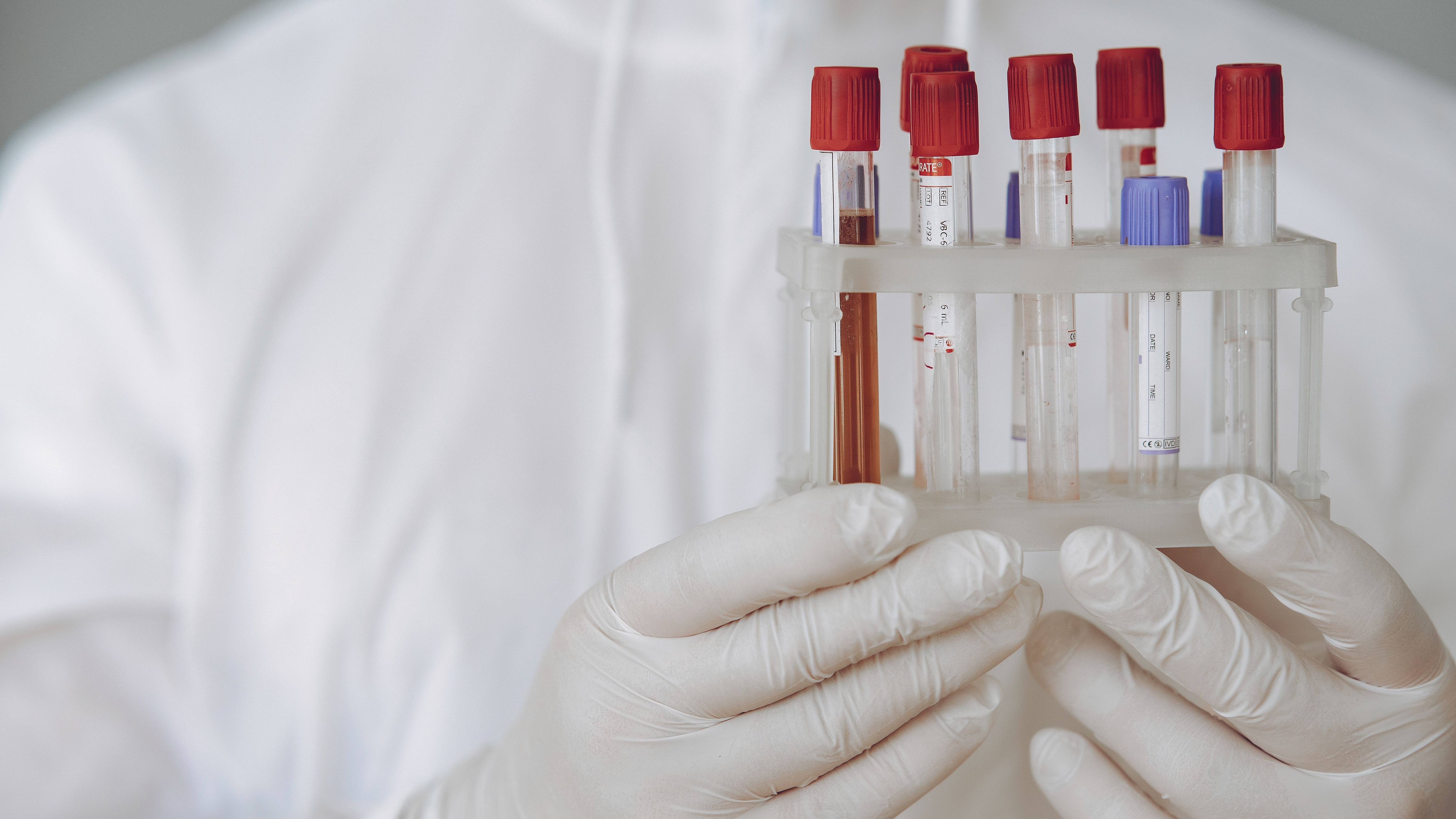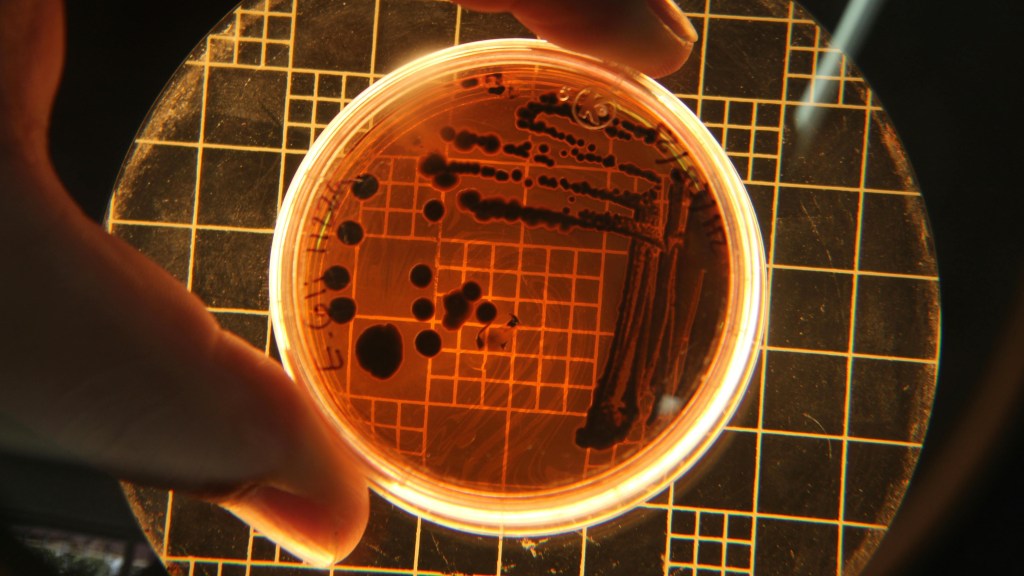
BiomX has announced the publication of Phase Ib/IIa Part 1 clinical trial results for its novel phage cocktail BX004 in Nature Communications. The news comes as the Israeli company prepares to dose the first patient in the Phase IIb trial, anticipated next week.
The peer-reviewed article showcases strong antimicrobial activity, a favorable safety profile, and promising microbiome preservation in a patient population where antibiotic options are increasingly limited.
Breakthrough Data for BX004
The Phase Ib/IIa trial (NCT05010577) evaluated BX004’s safety, tolerability, pharmacokinetics, and antimicrobial activity over seven days in nine CF patients.
Seven received BX004, while two were given a placebo. Results demonstrated that BX004 achieved approximately a 500-fold reduction in bacterial load compared to placebo. This additional improvement was observed even on top of standard-of-care inhaled antibiotics.
Phages from BX004 successfully reached infection sites and persisted in patients during treatment, and in some cases, were detected up to a week after therapy ended.
Notably, there were no treatment-related adverse events, no emergent resistance to BX004, and favorable shifts in the patients’ microbiome composition.
Jonathan Solomon, CEO of BiomX, noted, “The publication of our peer-reviewed results, including new data showing antimicrobial activity of BX004, provides significant third-party validation of our phage therapy platform to treat patients with chronic P. aeruginosa cystic fibrosis infections.”
Building on these encouraging results, BiomX has initiated enrollment for its Phase IIb trial (NCT06998043). This randomized, placebo-controlled study will assess lung function, bacterial load, and quality of life over eight weeks, with topline results expected in the first quarter (Q1) 2026. BX004 has already received US Food and Drug Administration’s (FDA) Fast Track and Orphan Drug Designations.
Antibiotic Resistance: A Mounting Crisis
Antibiotic resistance remains one of the most pressing public health challenges of the 21st century. The rise of multi-drug-resistant (MDR) pathogens, such as Pseudomonas aeruginosa, threatens to render current antibiotic regimens ineffective, particularly for vulnerable populations like CF patients. In these individuals, thick mucus in the lungs creates a breeding ground for persistent bacterial infections, often requiring prolonged antibiotic courses that may contribute to resistance and damage the delicate lung microbiome.
The World Health Organization (WHO) has declared antibiotic resistance a global health emergency. The World Bank warns that AMR could lead to an additional $1 trillion in healthcare costs by 2050. For CF patients, chronic P. aeruginosa infections are a leading cause of morbidity and mortality, underscoring the urgency of innovative solutions.
The Promise of Phage Therapy
Phage therapy, which uses bacteriophages—viruses that infect and kill bacteria—offers a highly targeted approach to bacterial infections. Unlike broad-spectrum antibiotics, phages can selectively eliminate pathogenic bacteria without disrupting beneficial microbiota. This precision reduces the likelihood of secondary infections and mitigates the risk of resistance development.
A review study noted that phage therapy has shown promise in treating antibiotic-resistant infections, especially when phages are tailored to the patient’s bacterial strain. Phages can penetrate biofilms—dense bacterial communities resistant to antibiotics—making them particularly suitable for chronic lung infections in CF.
BiomX’s BX004 embodies these advantages. The therapy is developed using environmental phages screened against P. aeruginosa grown under CF-like conditions. BX004 is optimized to broaden strain coverage, lower resistance emergence, and enhance activity against biofilms. The clinical trial results reinforce this approach: no bacterial resistance to BX004 emerged during the study, and microbiome diversity was preserved.
“By combining experimental and computational methods, we’ve developed a design approach that broadens bacterial strain coverage, lowers the likelihood of resistance, and enhances activity against bacterial biofilms,” said Rotem Sorek, Ph.D., Professor of Genetics at the Weizmann Institute of Science and co-author of the Nature Communications study.
The implications extend beyond CF. Phage cocktails like BX004 may become critical tools in the broader fight against MDR pathogens, offering precision therapy with minimal collateral damage to the microbiome.