A Massachusetts biotech firm has unveiled preclinical data showing that its 3D bioprinted human islet scaffolds restored normal blood sugar levels in diabetic mice for six months. The findings, presented at two major scientific meetings this summer, suggest a potential breakthrough in cell-based therapies for type 1 diabetes (T1D).
FluidForm Bio, the company behind the research, showcased the results at the American Diabetes Association’s (ADA) 85th Scientific Sessions in Chicago and the 20th World Congress of the International Pancreas & Islet Transplant Association (IPITA) in Pisa, Italy.
“This is a significant step toward a next-generation therapy for T1D,” said Adam Feinberg, PhD, FluidForm’s co-founder and chief technology officer. “We’ve combined advanced biofabrication and biologic materials to create a retrievable, subcutaneous implant that supports long-term islet survival and function.”
How the Implants Work
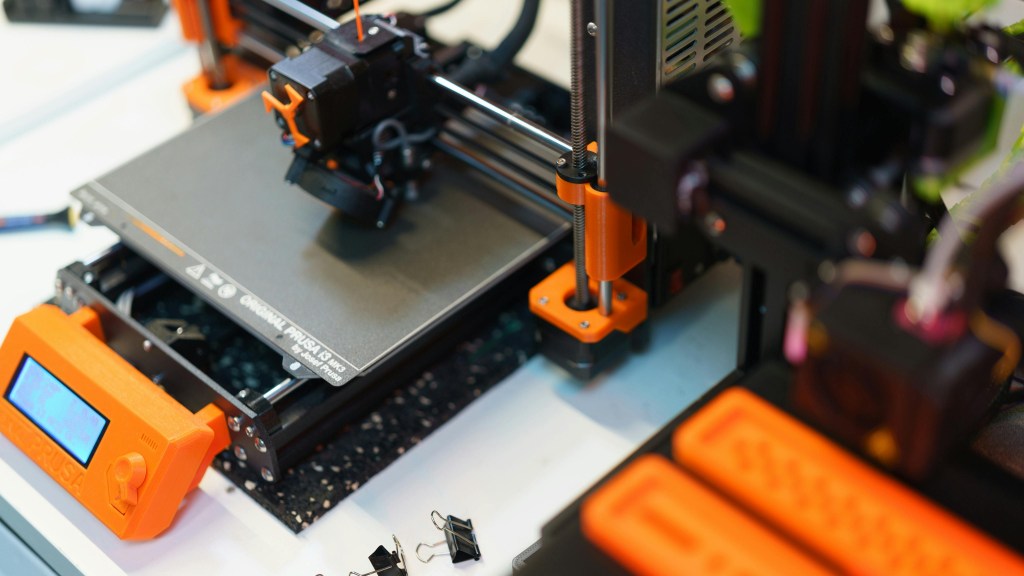
The company’s approach centers on its proprietary FRESH (Freeform Reversible Embedding of Suspended Hydrogels) 3D bioprinting platform. The technology uses biologically compatible materials to build functional human tissue, avoiding synthetic chemistries that can provoke immune responses.
In this case, FluidForm printed scaffolds made entirely of biologic materials. The core contained 2,000 islet equivalents (IEQ) of human donor cells embedded in fibrin, surrounded by a shell of type I collagen. The scaffolds were implanted subcutaneously—just beneath the skin—of diabetic SCID Beige mice.
By day 14, the implants had revascularized, meaning host blood vessels had infiltrated the tissue to support the transplanted cells. Histology at day 97 showed robust vessel formation and engraftment, with no fibrotic responses often seen with synthetic implants.
The treated mice maintained normal blood sugar for up to 180 days. When the scaffolds were removed, the mice reverted to a diabetic state, confirming the implants’ role in glucose regulation.
By contrast, control mice receiving direct islet cell injections remained diabetic throughout the study.
Tackling Longstanding Challenges
Islet cell transplantation has been explored for decades as a potential cure for T1D. But clinical adoption has been hampered by poor vascularization, immune rejection, and complications from delivering cells to hard-to-access internal sites like the liver.
FluidForm’s design aims to address these limitations. The subcutaneous location allows for easier implantation and retrieval, reducing surgical risks and making the therapy more patient-friendly.
“Traditional islet transplants are invasive and often fail over time,” said Feinberg, who is also a professor of biomedical engineering at Carnegie Mellon University. “Our bioprinted scaffolds promote vascularization and avoid the host responses that compromise current methods.”
At ADA’s annual meeting, FluidForm presented data titled Restoration of Normoglycemia via Subcutaneous Transplantation of Islets in FRESH 3D Printed ECM-Based Scaffolds. The study highlighted how the scaffolds maintained glycemic control for six months post-implantation.
Meanwhile, at IPITA’s congress, the company shared findings from a head-to-head study comparing their bioprinted scaffolds to direct islet injections. The results showed that only the mice receiving the FRESH implants achieved normoglycemia, typically within three weeks.
What’s Next?
The six-month data mark a key milestone for FluidForm, which plans to advance into human trials after completing preclinical work. The company’s lead program focuses on developing an islet cell therapy for T1D, but its platform could also be applied to other cell therapies requiring vascularized tissue.
“Our goal is to bring a potentially curative therapy to patients with T1D,” said Feinberg.
If successful in clinical trials, the approach could offer an alternative to insulin injections and continuous glucose monitoring, providing a more durable and convenient treatment option.