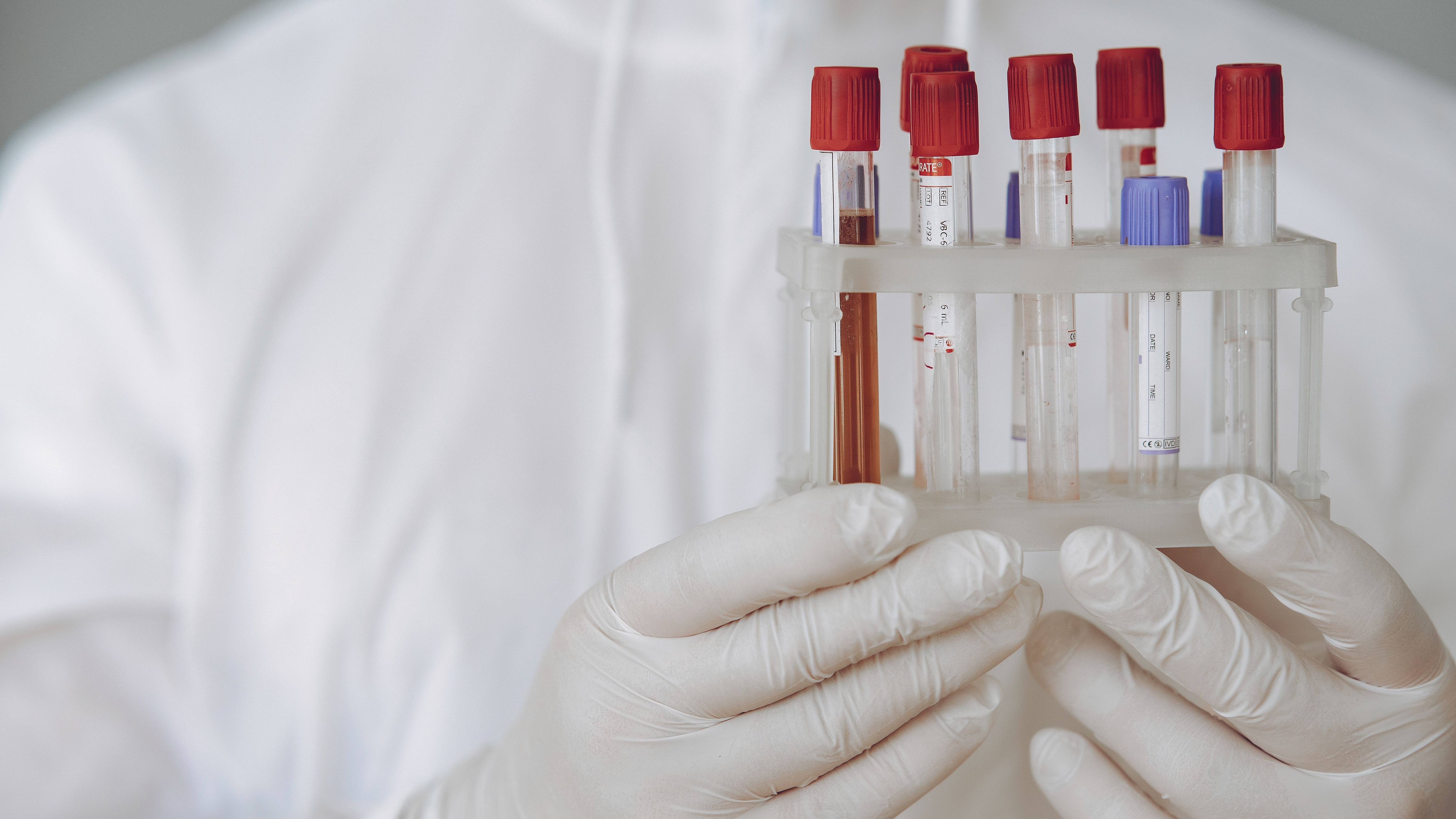
In a milestone for Alzheimer’s disease diagnostics, Labcorp has announced the nationwide availability of the first US Food and Drug Administration (FDA)-cleared blood test to aid in the diagnosis of the condition.
The US-based company boasted that the Lumipulse pTau-217/Beta Amyloid 42 Ratio test, developed by Fujirebio Diagnostics, can now be accessed through “Labcorp’s network of more than 2,200 patient service centers and healthcare provider offices”.
Traditionally, Alzheimer’s diagnosis has relied heavily on costly imaging or invasive spinal fluid collection. This newly available blood test changes that equation, as per Labcorp, offering results comparable to positron emission tomography (PET) scans and cerebrospinal fluid (CSF) testing but requiring only a simple blood draw. Clinical studies have shown a positive predictive value of 92% and a negative predictive value of 97%, underscoring the test’s accuracy.
Following the news, Labcorp’s stock rose by almost 2% at market close on 19 August, compared to the market close on the previous day. The company’s stock continues to rise, trading at $277.83, up 2.7% from the market close on August 18. Labcorp’s market cap stands at $23 billion.
Increased Accessibility
“This marks a major step forward for patients and physicians,” said Dr. Brian Caveney, chief medical and scientific officer at Labcorp. “Historically, the path to an Alzheimer’s diagnosis has meant years of invasive procedures and expensive imaging. By offering this FDA-cleared blood test nationwide, we can help patients, families, and clinicians get answers sooner, begin appropriate treatments, and access clinical trials more easily.”
The timing of Labcorp’s launch also coincides with a new set of clinical guidelines from the Alzheimer’s Association. Released earlier this month, the guidelines endorse blood-based biomarker tests with sensitivity and specificity above 90% as a substitute for PET and CSF evaluations in patients with cognitive symptoms. Experts believe this endorsement signals a turning point in Alzheimer’s care, moving blood-based diagnostics from research into routine practice.
The Lumipulse test is intended for adults aged 50 and older who are showing signs of cognitive decline and are being evaluated in specialty care settings. It is not designed as a stand-alone diagnostic or screening tool; instead, results must be interpreted alongside a patient’s full clinical picture.
For patients, the test represents a less invasive, more affordable, and more widely available option. With Alzheimer’s disease affecting more than six million Americans, earlier and easier access to diagnostic tools could significantly impact how quickly patients receive care and participate in clinical trials for new therapies.
This new test replaces a similar assay Labcorp launched in April 2025, reflecting the company’s continued investment in blood-based biomarker innovation. The move also aligns with Labcorp’s broader mission to expand access to advanced diagnostics and accelerate medical progress.
As Alzheimer’s research and treatment evolve, accessible diagnostic tools like the Lumipulse pTau-217/Beta Amyloid 42 Ratio test may help shift the field from long and uncertain diagnostic journeys to earlier, more confident answers. For patients and families confronting memory loss, that shift could make all the difference.
Broader Trends in Alzheimer’s Research
Earlier this month, Porosome Therapeutics announced a series of developments in its Alzheimer’s disease (AD) research program, including new findings from organoid-based studies, a targeted reduction of Tau protein, and the application of artificial intelligence in therapeutic design.
Roche recently shared plans for a Phase III clinical trial of a monoclonal antibody therapy aimed at Tau, further reinforcing its role as a central biomarker in AD research.
Linus Health is applying artificial intelligence to support earlier Alzheimer’s detection, focusing on cognitive and behavioral analytics to identify signs of decline before symptoms are clinically evident.
Illimis Therapeutics announced a $42 million funding round to expand its central nervous system and immune system drug pipelines, including programs that may have implications for neurodegenerative diseases like Alzheimer’s.