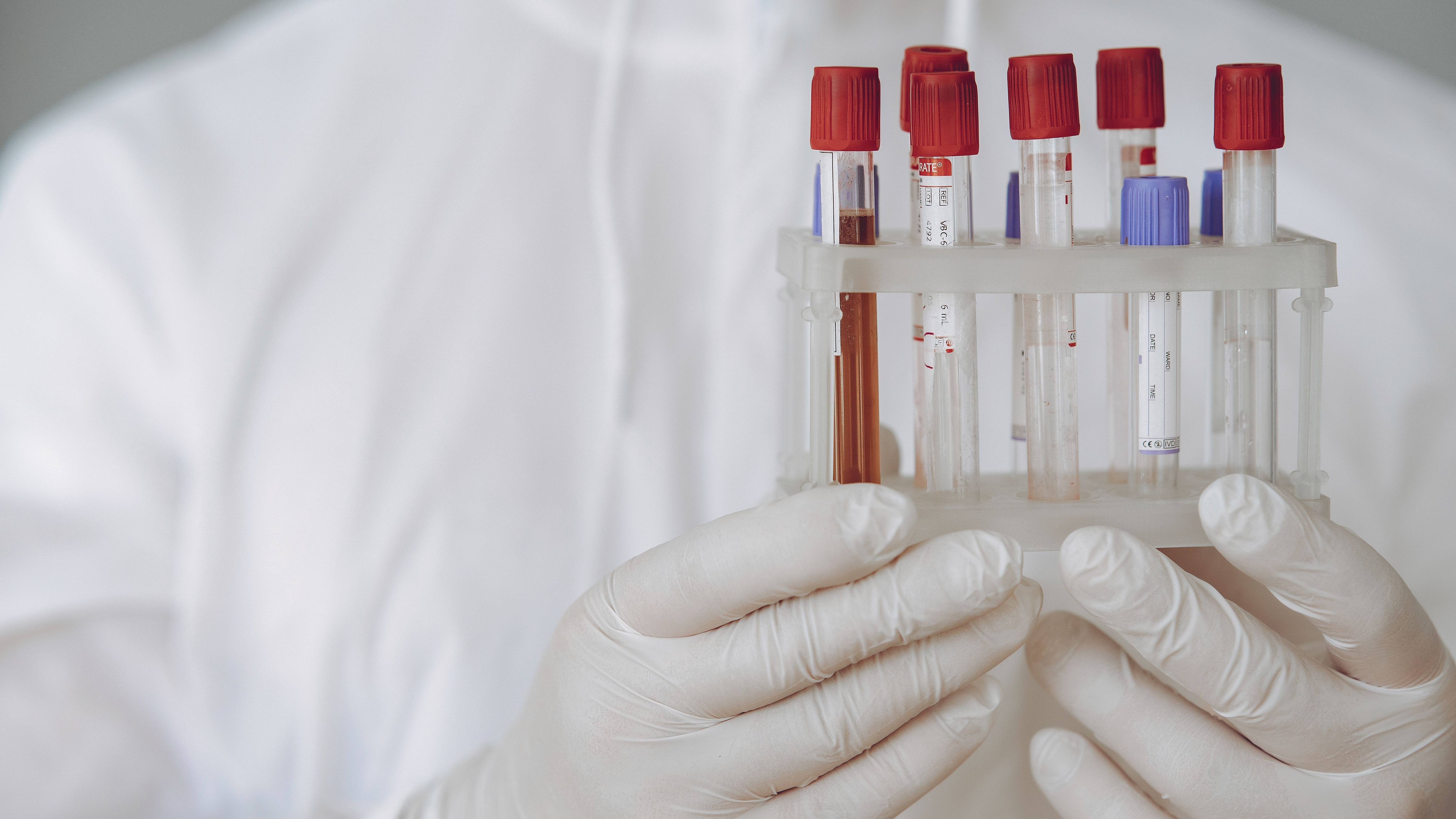
For decades, women’s healthcare has been defined by outdated tools and uncomfortable experiences, particularly when it comes to cervical cancer screening. The traditional speculum-based Pap test has long been a dreaded rite of passage, and for many women, a barrier to consistent preventive care.
Despite cervical cancer being almost entirely preventable with early detection, one in three American women remain behind on screening. The reasons are varied, including a lack of time, inadequate provider availability, cultural stigma, and discomfort with the procedure itself.
Teal Health, a women’s health company founded in 2018, is working to change that narrative. At the forefront of this mission is Kara Egan, co-founder and CEO, who brings a unique background in investing, technology, and operations into healthcare innovation. Under her leadership, Teal Health has developed a US Food and Drug Administration (FDA) approved, at-home cervical cancer screening device designed to empower women to take control of their health on their own terms.
In this wide-ranging conversation, Kara discusses why Teal Health started with cervical cancer screening, how clinical trials proved the at-home test’s effectiveness, and what it means to serve underserved communities. She also reflects on the importance of listening to women in healthcare design, the role of telehealth in accessibility, and the broader opportunities she sees for women-centered healthcare innovation.
This interview has been edited for clarity, consistency, and length.
Phalguni Deswal [PD]: Teal Health’s mission is to give women tools, access, and resources to make informed health decisions. Why did you start with cervical cancer screening?
Kara Egan [KE]: Our mission is indeed broad, because there’s simply so much to do in women’s health. We always get asked, “What’s next?” and my answer is often, “Can I just do this first?” Getting FDA clearance and bringing a new product to market is already a massive undertaking.
We started with cervical cancer screening because it’s foundational to women’s health. For many women, their first interaction with an OB-GYN is for a Pap smear, and that initial experience shapes how they engage with the healthcare system. Unfortunately, that experience is often uncomfortable, inconvenient, and intimidating. The speculum exam has been the standard for more than 80 years, and while it may be effective, it sets an incredibly low bar for women’s comfort.
At Teal, we wanted to reset that bar. The experience of cervical cancer screening involves two pain points: first, getting into the doctor’s office in the midst of provider shortages, long wait times, and women’s own busy schedules; and second, the physical discomfort of the procedure itself. We saw an opportunity to dramatically improve both aspects while tackling one of the most preventable cancers.
PD: How confident can women be that at-home screening is as effective as the traditional method?
KE: Trust is absolutely critical in healthcare, so we knew from the beginning that our product had to meet the same standard as the clinician-collected method. That’s why we partnered with Roche and used their gold-standard HPV test, which is recognized in clinical guidelines as the best way to screen for cervical cancer.
In our pivotal trial, we demonstrated clinical equivalence. The clinician-collected samples had 96% sensitivity, and our self-collected samples had 96% as well. That result was hugely validating. It means women can get the same level of accuracy at home as they would in the doctor’s office.
Beyond accuracy, the trial revealed something equally important: preference. Ninety-four percent of women preferred the self-collection method over the traditional exam, and 87% said they’d be more likely to stay up to date with their screenings if they had this option. That matters because one in three women are overdue for cervical cancer screening, and this is a cancer we can actually prevent. Convenience, comfort, and accuracy together create the conditions for better adherence and better outcomes.
PD: You’ve emphasized reaching underserved groups. How does Teal Health address disparities in screening?
KE: This was something we were very intentional about in our trial. We matched our study population to the US population almost exactly across race, ethnicity, income, education, and insurance status. We wanted to be able to say, with confidence, that this works for everyone—not just a privileged subset.
What we found was eye-opening. While it’s true that uninsured women are more likely to be behind on screening, closer to 40%, the reality is that across every demographic, at least one in four women were overdue. It’s not just about insurance or socioeconomic barriers; it’s also about time, accessibility, and the reality of busy lives. I’ve spoken with women at the very top of their fields, with all the resources you could imagine, and they still admit they’re behind.
Since launching, our data has reinforced this point. Over 50% of women who used our test had been behind by five years or more, and nearly 20% had never been screened at all, despite being within the recommended age. These numbers highlight the unmet need and the fact that when you give women a better option, they engage.
PD: What has FDA approval for Teal Wand meant for you and for women’s health?
KE: For me personally, it was a huge milestone. After five years of building and saying “we’re developing the first at-home cervical cancer screening,” to finally be able to say “we’ve built it” was incredibly rewarding. But the most meaningful part has been the feedback from women.
We’re hearing stories that are paragraphs long, where women express gratitude and relief. Our user ratings are nearly perfect, 4.97 out of 5 stars, which speaks to the importance this holds. Of course, many also ask, “What took so long?” And my response is, “I know—it’s been this way for over 80 years.” To finally bring change to something that’s been stagnant for so long is powerful.
What makes this especially rewarding is that we didn’t just create a clinically sound device – we designed every detail with women in mind. From the form factor, which resembles a tampon, to the soft sponge tip, to the welcoming language on the box, everything was tested with women. It’s about more than accuracy; it’s about making women feel seen, respected, and comfortable in healthcare.
PD: What role does telehealth play in your model?
KE: Telehealth is absolutely central. When a woman signs up with Teal, she doesn’t just get a kit in the mail. She first has a short visit with a clinician who confirms eligibility, explains the process, and stays involved throughout. After she collects the sample at home, it goes to the lab for the same test used in clinics, and then the results are reviewed and released by a doctor.
If the results are abnormal, the follow-up is built into our service. A clinician meets with her, at no additional cost, to explain what it means and what the next step should be. We even help pre-book the next appointment with an in-person provider, because we know how overwhelming it can feel to navigate follow-up care after receiving concerning results.
Telehealth makes all of this possible. It saves time, removes barriers, and ensures women still get the trusted guidance of a healthcare professional. It’s a model that combines the best of technology and traditional care.
PD: What’s next for women’s health innovation, especially in the telehealth and at-home screening space?
KE: I think the future lies in meeting women where they are. Not everything can or should be done virtually, but we saw during the Covid-19 pandemic that telehealth works across demographics, everyone adapted, and in many cases, it was actually better.
For women, who often carry enormous unpaid responsibilities, sometimes equivalent to an extra three months of full-time work each year, accessibility is everything. Anything that can be done at home or in a way that saves time should be. At the same time, we need to support doctors, who are stretched thin and can’t keep up with every new innovation. Ensuring that providers are aware of new tools and can confidently recommend them is just as important as developing the tools themselves.
To me, the biggest opportunity is designing healthcare that respects women’s time, acknowledges their realities, and builds trust through thoughtful experiences. That’s the foundation for real change.