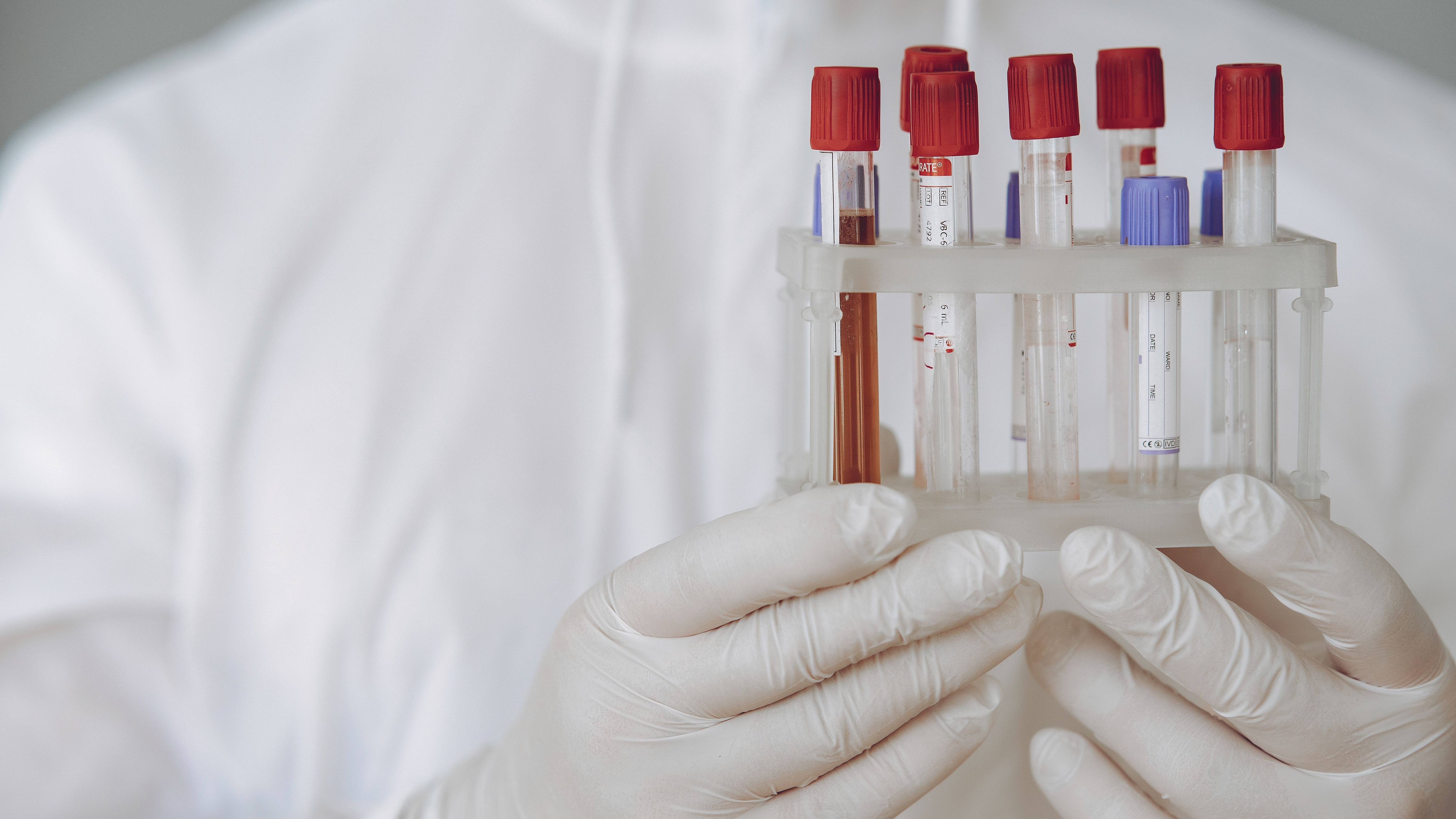
RadioMedix and Vect-Horus have dosed the first patient in an exploratory Investigational New Drug (IND) study of a novel radiopharmaceutical aimed at glioblastoma multiforme (GBM) and pancreatic ductal adenocarcinoma (PDAC).
The candidate, known as 203Pb-RMX-VH-PIB, is designed to cross the blood-brain barrier and bind to the Low-Density Lipoprotein Receptor (LDLR), a protein overexpressed in several solid tumors. Preclinical data showed significant tumor uptake, a key step toward developing effective Targeted Radioligand Therapy (TRT).
“Patients with GBM and PDAC face limited options and very poor prognosis,” said Dr. Ebrahim S. Delpassand, CEO of RadioMedix. “This trial will deliver the first human data on a theranostic agent that could help clinicians manage these diseases.”
The study will evaluate the safety, distribution, and radiation dose of the compound in patients. Findings are expected to inform future development of Targeted Alpha Therapy (TAT), a treatment strategy that combines precision diagnostics with therapeutic isotopes.
For Vect-Horus, the trial represents a milestone in its partnership with RadioMedix. “We look forward to generating clinical data that may expand treatment options for patients with GBM and PDAC,” said Alexandre Tokay, the French company’s chief executive.
Both companies have positioned themselves in the growing field of theranostics, which integrates imaging and therapy. RadioMedix, based in Houston, operates a 27,000-square-foot manufacturing and research facility, while Marseille-based Vect-Horus develops molecular vectors for targeted drug and imaging delivery.
The move comes as demand for radiopharmaceuticals continues to climb. According to Data Bridge Market Research, the global market was valued at $16.3 billion in 2024 and is projected to reach nearly $27 billion by 2032, with an annual growth rate of about 6.5%.