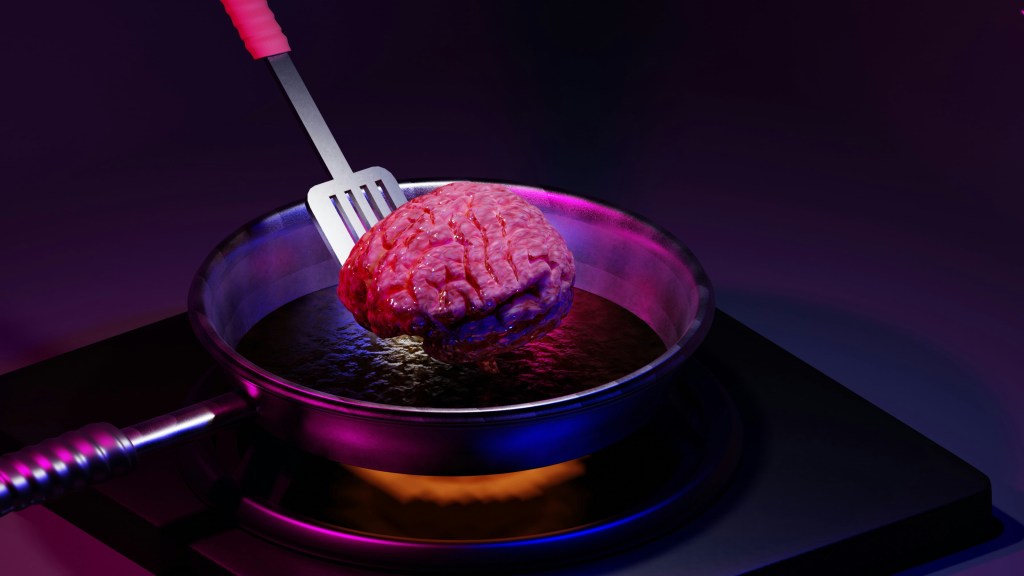
As dementia rates continue to rise worldwide, many adults—especially those in their 40s and 50s—are increasingly concerned about protecting their cognitive health. Alzheimer’s Disease International estimated that 55 million people worldwide were living with dementia in 2020, a number expected to nearly double every 20 years, reaching 78 million in 2030 and 139 million in 2050.
While genetics certainly plays a role, growing research shows that everyday dietary choices can significantly influence long-term brain function. According to Simon Greenberg, Founder of Medidex, one surprisingly simple lifestyle change could reduce your dementia risk by up to 20%: replacing processed red meat with plant-based proteins.
Why Processed Red Meat Harms Your Brain
Processed meats like bacon, sausages, and deli slices may be convenient, but the compounds they contain can harm your brain over time. These foods are typically high in sodium, nitrates, and nitrites—preservatives that trigger inflammation and oxidative stress in brain tissue.
Greenberg explains that this inflammatory response, combined with impaired blood flow caused by excessive sodium, accelerates cognitive aging. In fact, each daily serving of processed red meat is associated with an estimated 1.6 years of additional cognitive aging, affecting memory, focus, and problem-solving skills. That seemingly harmless breakfast bacon or daily deli sandwich could be silently impacting long-term brain performance.
Why Plant Proteins Protect Brain Health
On the other hand, plant-based proteins such as nuts, beans, chickpeas, lentils, and legumes offer remarkable neuroprotective benefits. These foods are rich in antioxidants, fiber, healthy fats, and key nutrients that support optimal brain function.
- Walnuts contain omega-3 fatty acids essential for brain cell communication.
- Beans and chickpeas supply folate, which plays a crucial role in neurotransmitter production.
- Legumes help stabilize blood sugar levels, reducing the vascular stress that can damage brain cells.
- Plant foods also support gut health—an important factor in the gut-brain axis linked to emotional and cognitive well-being.
“Plant proteins come with built-in brain protection,” Greenberg notes. By incorporating them daily, you fuel your brain with steady, nourishing energy instead of inflammatory compounds found in processed meats.
Easy, Delicious Swaps You Can Make Today
One of the biggest misconceptions about healthy eating is that it requires giving up flavor and comfort. But according to Greenberg, even small swaps can deliver big benefits—without sacrificing taste.
Try these simple, satisfying changes:
1. Breakfast Boost
Skip the bacon and try whole-grain toast topped with almond butter and banana. You’ll enjoy healthy fats, natural sweetness, and long-lasting energy.
2. Lunchtime Upgrade
Trade your deli meat sandwich for a chickpea-avocado salad wrap. Mash chickpeas with herbs and lemon juice for a creamy, protein-packed filling.
3. Smarter Snacking
Replace beef jerky with a handful of mixed nuts. They’re portable, satisfying, and naturally supportive of brain health.
4. Dinner Reinvented
Swap meat sauce for lentil bolognese. Lentils create a hearty texture and absorb rich flavors beautifully—ideal for pasta night.
Healthy Habits in Midlife Pay Off Later
Your 40s and 50s are a pivotal window for dementia prevention. At this stage, your brain is still adaptable, but damage from years of poor dietary patterns may begin to accumulate. Greenberg recommends beginning with one plant-based meal per day and gradually expanding your routine.
He suggests using a “crowding out” approach—filling your plate with more plant proteins first, then naturally reducing processed meat intake. Whether you try “Meatless Mondays” or commit to several plant-forward meals each week, consistency is key.
A Sustainable Path to Better Brain Health
Protecting your cognitive future doesn’t require drastic diets or complicated routines. It starts with small, realistic lifestyle decisions—like choosing lentils over sausage or mixed nuts over jerky. Even cutting processed meat by half while increasing plant proteins can make a meaningful difference.
By embracing simple, flavorful swaps and prioritizing nutrient-rich choices, you’re not just improving your daily meals, you’re investing in long-term brain health, energy, and overall well-being.
Frequently Asked Questions – FAQs
1. How much processed meat is considered harmful?
Even one daily serving of processed red meat has been linked to accelerated cognitive aging. Reducing intake to occasional use rather than daily consumption can significantly benefit long-term brain health.
2. Do I need to give up meat completely?
No. Greenberg emphasizes that the goal is not total elimination but reducing processed meats and replacing them with plant-based options. Lean, unprocessed meats in moderation can still fit into a balanced diet.
3. Are plant proteins enough to meet daily protein needs?
Yes. Foods like lentils, chickpeas, tofu, beans, and nuts provide ample protein. Pairing different plant sources throughout the day ensures a full amino acid profile.
4. What if I don’t like tofu or beans?
There are many plant protein alternatives—tempeh, hummus, lentil pasta, nut butters, quinoa, and even roasted chickpeas. Experimenting with flavors and textures helps you find what you enjoy.
5. Can this food swap help with weight management too?
Absolutely. Plant proteins are typically lower in saturated fat and higher in fiber, promoting fullness and supporting healthy weight management.
6. How soon will I notice benefits?
While cognitive protection occurs over years, many people feel improvements in energy, digestion, and mood within weeks of increasing plant-based meals.
7. Can children and teens follow this advice?
Yes, but with balance. Plant proteins are safe and healthy for all ages. Simply ensure a variety of foods to support growth and nutritional needs.