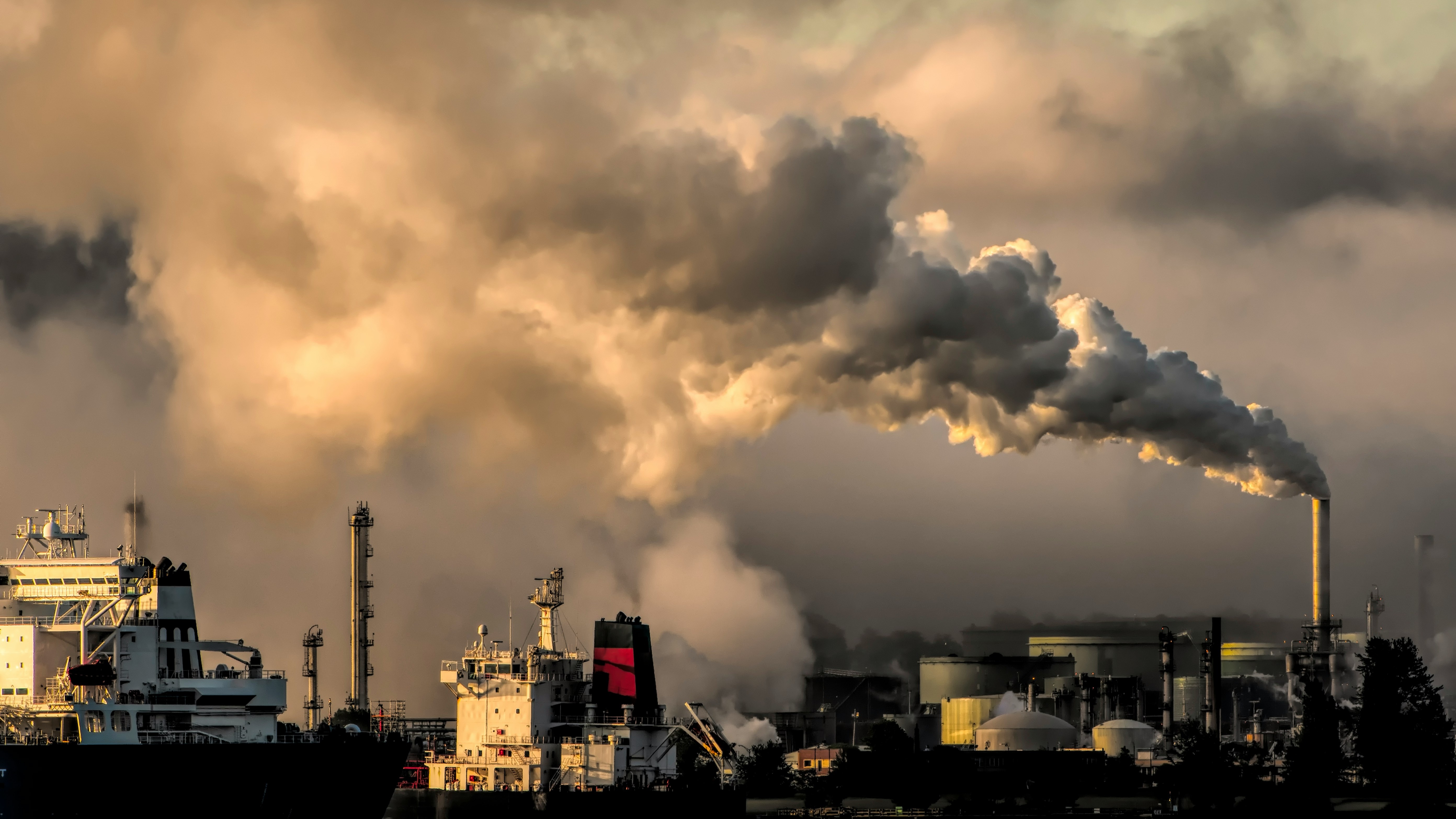
Climate change targets typically focus on greenhouse gas (GHG) emission reduction. The terms used to encompass these targets are broad, including commitments to percentage reductions in greenhouse gas (GHG) emissions over a certain period, carbon neutrality (carbon zero), net-zero, absolute zero, or similar commitments (such as climate-neutral, climate-positive, negative emissions, or positive emissions).
This range of terms is defined and explained in this short article.
Difference Between Carbon Neutrality and Net-Zero
Carbon neutrality (also known as carbon zero, net-zero carbon, or net-zero CO2 emissions) and net-zero are two distinct concepts related to carbon emissions.
Although both are broadly the same and lead to the same outcome, that is, reducing GHG emissions and mitigating the impacts of climate change. However, these terms should not be used interchangeably due to their different scales, types of emissions removed, and approaches to target setting and achieving.
Carbon neutrality has more of an emphasis on the removal and reduction of solely CO2, while the focus of net-zero is broader and strives to include all GHGs.
Furthermore, carbon neutrality is generally used when counting the use of carbon offsets (that is, investing in projects that remove carbon from the atmosphere to counterbalance some or all GHG emissions) that does not necessarily mean that direct emission reductions have taken place. The Science Based Targets initiative (SBTi) does not validate carbon neutrality claims and does not permit the use of offsetting as it does not align with the action needed to ensure global heating is limited to 1.5°C.
The terms are often used in different contexts as well. Net zero is favored by governments and political bodies when setting international climate goals and national policies, while carbon neutrality is more likely to be used by businesses and organizations for their operational emissions.
Carbon neutrality refers to balancing emitted carbon dioxide (CO2) through effective carbon reduction measures and carbon offsets. In contrast, net-zero emissions encompass all greenhouse gases (GHGs) and refer to the status of reducing GHG emissions throughout the value chain (Scope 3) by at least 90% and counterbalancing the remaining (leftover) emissions through permanent removal and storage of carbon from the atmosphere. Recognizing this difference is essential for effective climate action.
Carbon Neutrality
It is achieved when anthropogenic CO2 emissions are reduced, and the remaining emissions are balanced by anthropogenic carbon offsets or removal technologies that capture and store carbon (including emissions avoidance activities) over a specified period, and without prescribing a specific reduction trajectory.
Further, it is also less prescriptive regarding the reporting boundary – the inclusion of value chain (Scope 3) emissions is encouraged but not mandatory. For example, a company reduces its CO2 emissions and then offsets the remaining emissions by planting trees or investing in renewable energy projects.
Net-zero
It is achieved when anthropogenic (human-caused) greenhouse gas (GHG) emissions of are reduced by at least 90% (95% for Scope 1&2 and 90% for Scope 3) over a specified period of time.
The remaining GHG emissions must be counterbalanced through the permanent removal and storage of atmospheric carbon by anthropogenic means. This status should be achieved no later than 2050, as per SBTi.
Emission reductions would generally follow a specific trajectory, such as 1.5°C (34.7°F) pathway. Any residual emissions would typically focus on GHG sequestration from the atmosphere. For example, a company drastically reduces its energy consumption, switches to renewable energy, and then implements carbon capture technologies and invests in reforestation to achieve net-zero emissions.
To achieve net-zero emissions, companies must first reach their long-term target. Then, they must neutralize any residual emissions, typically less than 10% of the base year emissions, through permanent carbon removal and storage(sbti)[1.
What is Absolute Zero Emissions?
Absolute zero emissions mean achieving the complete elimination of all GHG emissions with no reliance on offsets or carbon removals. That is zero GHG emissions by an entity with no negative emissions options or meaningful carbon offsets. It encompasses all activities and the entire value chain (Scope 3) of an entity. It represents the ultimate goal for addressing climate change.
Difference from Net-Zero:
Net-zero permits a small amount of GHG emissions that can be balanced or offset through carbon capture and other technologies. Whereas, absolute zero demands the complete elimination of GHG emissions, with no residual emissions left to address.
Carbon Neutralization
It refers to measures that companies take to counterbalance the climate impact of GHG emissions, which are impossible to avoid after their net-zero target date. Neutralization involves permanent removal and storage methods of CO2 from the atmosphere, as per SBTi.
Climate Neutral
It refers to a state in which anthropogenic activities have no effect on the climate system.
Climate Positive
It refers to a state in which anthropogenic activities result in beneficial effects on the climate system.
Negative Emissions
It refers to the deliberate removal of GHGs from the atmosphere by anthropogenic activities.
Net Negative Emissions
It refers to a state where more GHGs are removed from the atmosphere than are emitted into it.