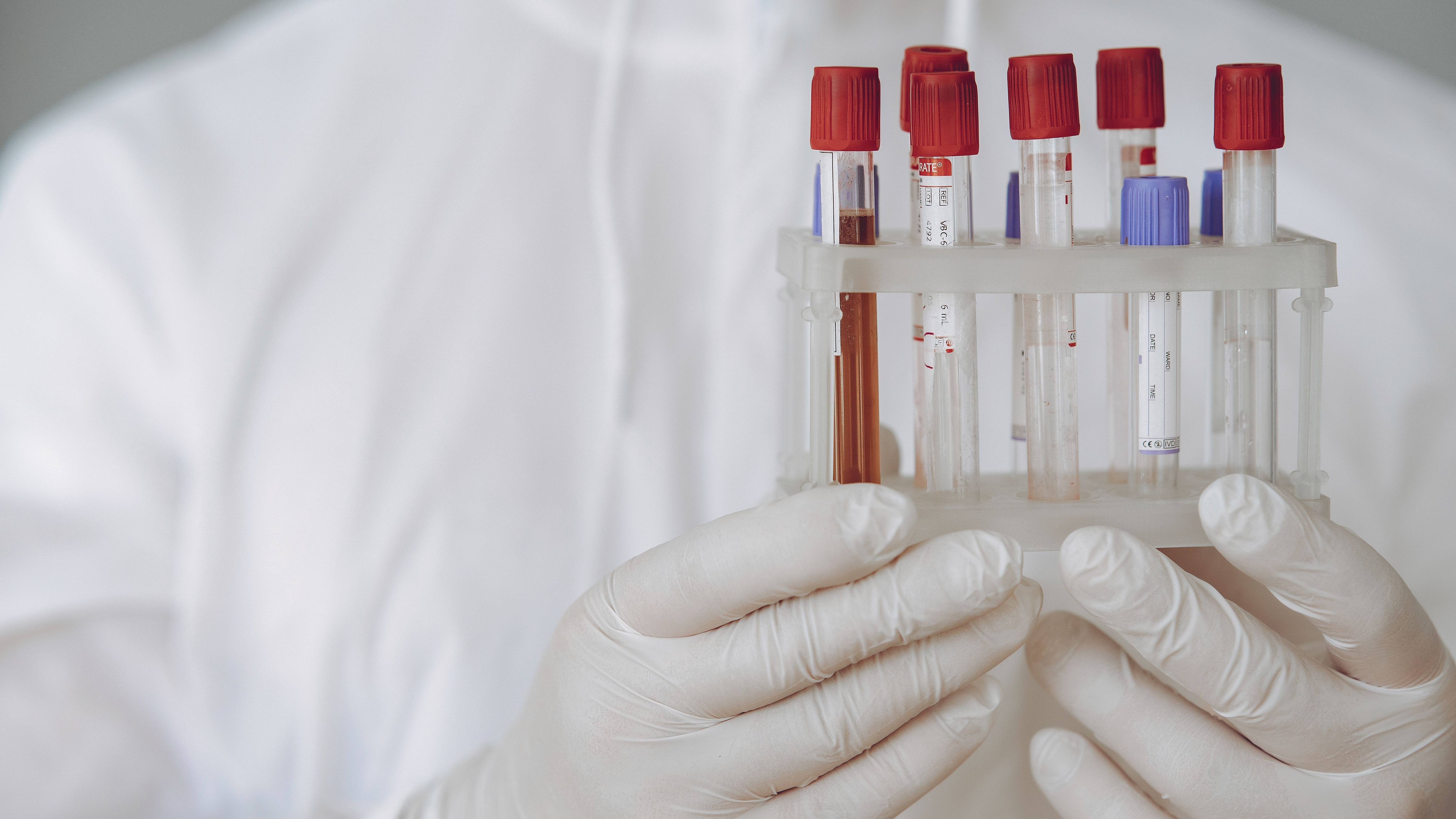
An international clinical trial has been launched to test whether single-cell RNA sequencing of blood samples can provide a non-invasive alternative to bone marrow biopsies in diagnosing blood disorders.
CLISEQ, a spinout from the Weizmann Institute, is leading the clinical development in partnership with 10x Genomics, whose technology will be used to generate detailed single-cell profiles from blood samples.
The three-year Periblood study (NCT07081087), sponsored by the Weizmann Institute of Science, aims to recruit more than 1,500 participants across sites in North America, Europe, Asia, Latin America, and Israel. The trial will compare molecular profiles from peripheral blood with conventional bone marrow results in patients with abnormal blood counts and healthy volunteers.
The approach builds on research published in Nature Medicine that showed circulating hematopoietic stem cells could be used to identify myelodysplastic syndromes (MDS) without bone marrow aspiration. If validated, the method could lead to new diagnostic tools for hematology that are simpler and less invasive.
“The discovery that hematopoietic stem cells actually circulate in the blood and not just the bone marrow, unlocks new possibilities for blood diagnostics”, said Prof Liran Shlush, MD, PhD, Weizmann Institute.
“Our initial clinical trial, together with computation AI methods from Professor Amos Tanay’s labs, demonstrated the accuracy and utility for MDS diagnosis, and we are now rapidly expanding the trial to additional sites and indications, with the goal of improving blood malignancies diagnostics and patient care.”
Bone marrow biopsies remain a standard tool for diagnosing hematological conditions, but they are invasive, costly, and can be painful. A shift to blood-based testing could improve patient comfort, streamline monitoring, and broaden access to diagnostics.